


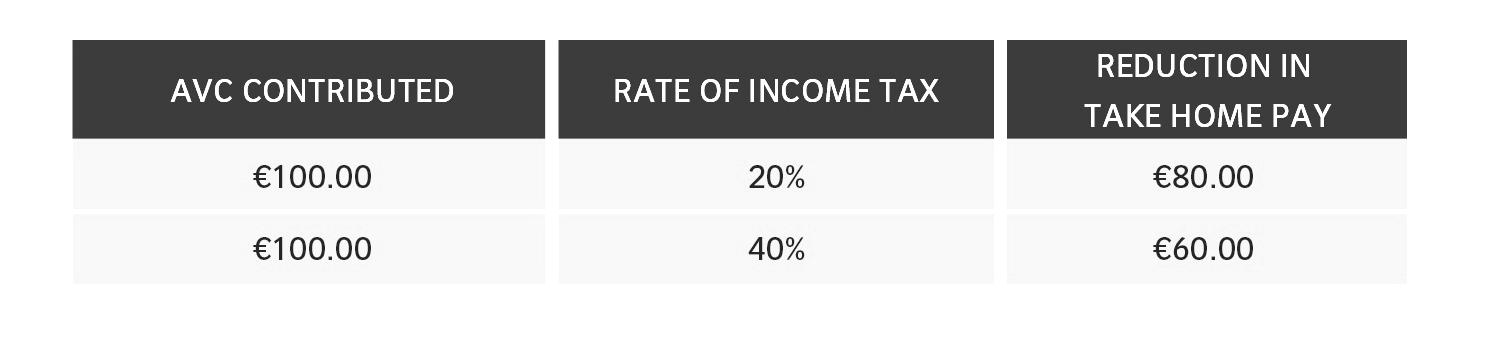
AVCs can only be paid while a client is an employee and member of their employer’s occupational pension scheme. AVCs cannot be paid in respect of that employment once the client has retired or has left service.
Therefore, where a client is about to leave service or at retirement, there may be an opportunity for the client to pay a ‘last minute’ AVC as a lump sum to maximise tax relief potential in respect of the current year and/or the preceding tax year.
Note a few tax points about making last minute AVCs:
- Such an AVC payment is a ‘non ordinary annual contribution’, otherwise known as a ‘special contribution’. The client’s employer may decide not to provide income tax relief at source on the contribution or might only provide income tax relief at source on the special contribution up to the level of the limit for tax relief that year on ordinary annual contributions and not on the
Therefore, the client may have to claim back part or all of the tax relief due on the lump sum AVC contribution through their income tax returns to the Revenue.
- Income tax relief can only be claimed against income of that employment; unused relief cannot be carried forward to be offset against any other type of income or income from a different
- It has been a Revenue practice requirement that a lump sum AVC cannot be paid from borrowed funds; it must be paid from the client’s taxable
- The deadline for backdating AVC contributions to the prior tax year for tax relief purposes is 30th October, or mid-November where the taxpayer files and pays tax using the ROS












Comments are closed.